
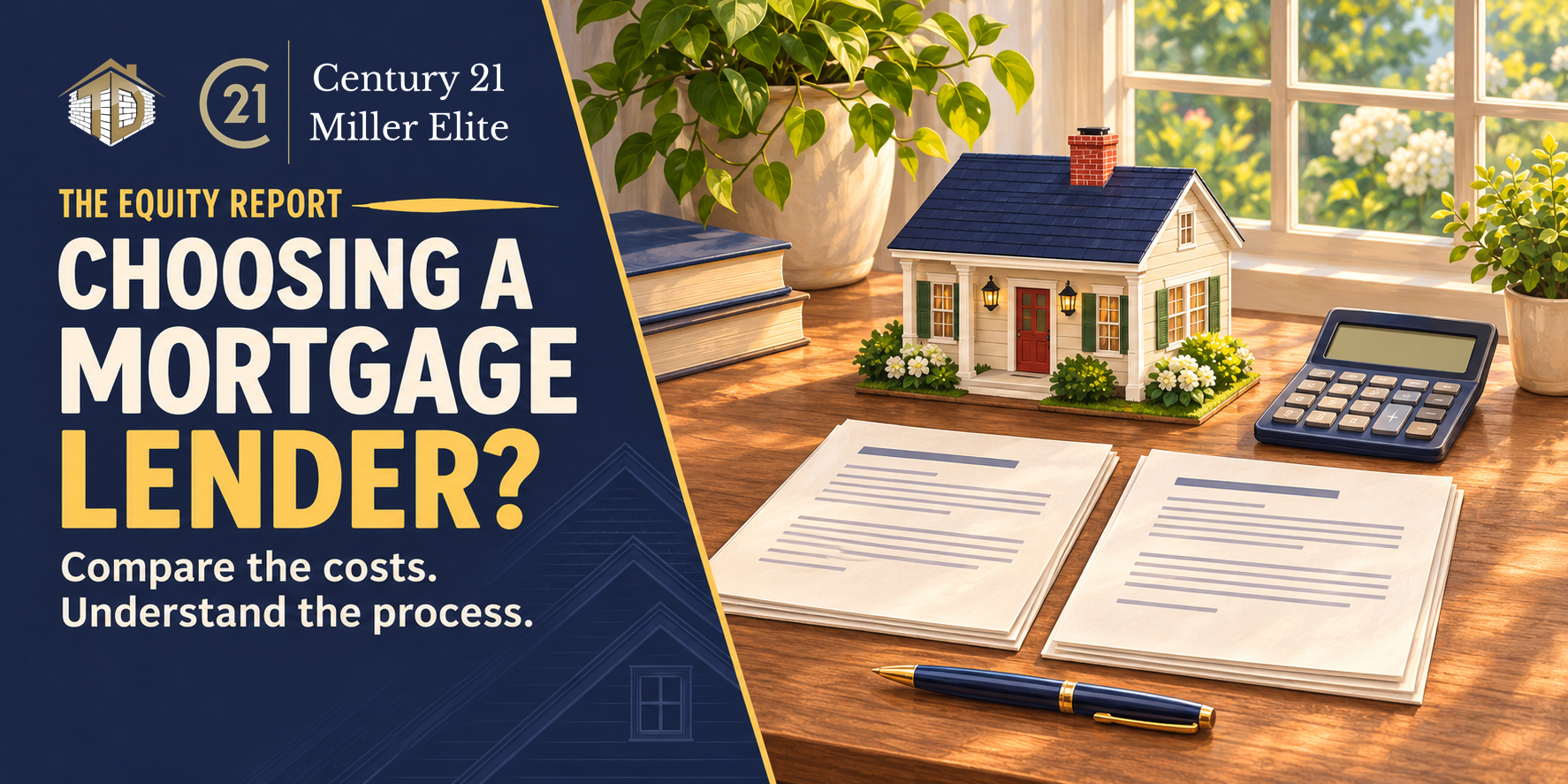
Compare the loan, the costs, and the process—not just the advertised rate. A useful comparison puts written offers beside each other and asks each lender to explain the differences. Start with these three questions.
Am I comparing the same loan?
Two attractive quotes can describe different financing. Before comparing prices, match:
- Loan amount and down payment.
- Loan type, term, and fixed or adjustable rate.
- Quote date and rate-lock status.
- Discount points paid upfront.
- Lender credits toward costs.
- Interest rate and annual percentage rate (APR).
APR includes interest and certain fees, giving you another comparison tool. Read it alongside the rate and upfront costs. Points generally trade an upfront payment for a lower rate; lender credits may offset costs in exchange for a higher rate.
Sources: CFPB: APR · Points and credits · Loan Estimate requirements
What will I pay—and which amounts can change?
Work through the estimate instead of stopping at the monthly payment:
- Origination charges: Review Section A, including any points. Ask what each charge covers.
- Lender credits: Check how they affect both upfront costs and the rate.
- Closing costs: Separate lender charges from third-party services, taxes, and other estimated amounts.
- Cash to close: This also accounts for your down payment, deposit, credits, and adjustments. It is not another name for closing costs.
Compare property-tax, insurance, prepaid-interest, and escrow assumptions carefully. A smaller estimate may reflect different assumptions rather than lower lender pricing. Ask which amounts can change, why, and what any revised Loan Estimate changes.
Sources: CFPB: Read a Loan Estimate · Revised estimates


Who will communicate with me and manage the timeline?
Service quality depends on the lender’s actual process, not simply where its office or underwriter sits. Ask directly:
- Who is my main contact, and who provides backup?
- What information has already been reviewed?
- Which conditions remain, and who handles them?
- What documents do you need, and by when?
- What could affect the target closing date?
- When does my rate lock expire, and what would an extension cost?
Prequalification and preapproval labels vary by lender; neither guarantees funding. Ask what was verified. Conditional approval still has requirements to satisfy. Before clear-to-close, confirm what remains and what must happen next.
A rate lock applies for a specified period under its terms; changes to your application can matter. For most mortgages, you must receive the Closing Disclosure at least three business days before closing. Build document review into the plan.
Sources: CFPB: Approval terminology · Rate locks · Closing Disclosure timing

Your lender-comparison checklist
Use these questions beside each Loan Estimate. Ask the lender to explain any gaps before choosing.
- Loan assumptions
- Same amount, down payment, type, and term?
- Rate and APR
- Same quote date and rate type?
- Points and credits
- What is the upfront tradeoff?
- Origination charges
- What is the Section A total?
- Cash to close
- Which assumptions and credits are included?
- Rate lock
- Expiration date and possible extension cost?
- Outstanding conditions
- What remains, and who acts next?
- Contact and timeline
- Named contact, backup, and target closing date?
Read the figures together. One low number does not settle the comparison. A target closing date is a plan—not a guarantee.
Information checked November 7, 2026.

Connect with Terin
A home on your mind?
Let’s talk it through.
Bring the listing, the questions, and the “I’m not sure about this” details. I’m here to help you make sense of your next move in Northeast Florida.
Let’s ConnectTerin Dallas · CENTURY 21 Miller Elite
Local guidance. Clear next steps.